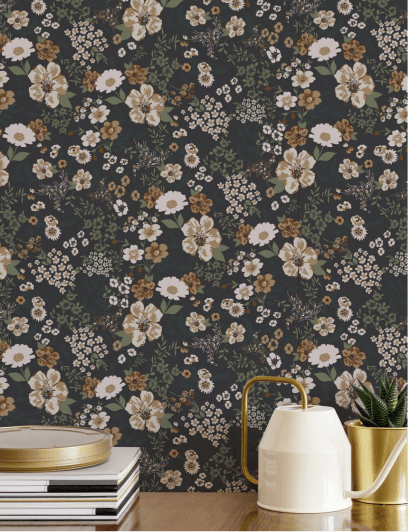
Prep Matched to the Build Year
A 1970s wall and a 2015 wall need different first steps. We ask the build year before quoting, so the estimate covers stripping or sealing, whichever your house needs.

Services
Wallpaper InstallationWallpaper SourcingInterior PaintingCabinet PaintingAreas Served
Carolina Beach, NC
Kure Beach, NC
Wrightsville Beach, NC
Jacksonville, NC
Swansboro, NC
North Topsail Beach, NC
Holly Ridge, NC
Richlands, NC
Sneads Ferry, NC
Surf City, NC
Hubert, NC
Burgaw, NC
Surf City, NC
Topsail Beach, NC
Hampstead, NC
Rocky Point, NC
Scotts Hill, NC
Bald Head Island, NC
Belville, NC
Boiling Spring Lakes, NC
Bolivia, NC
Calabash, NC
Carolina Shores, NC
Caswell Beach, NC
Holden Beach, NC
Leland, NC
Navassa, NC
Oak Island, NC
Ocean Isle Beach, NC
Shallotte, NC
Southport, NC
St. James, NC
Sunset Beach, NC
Raleigh, NC
Myrtle Beach, SC
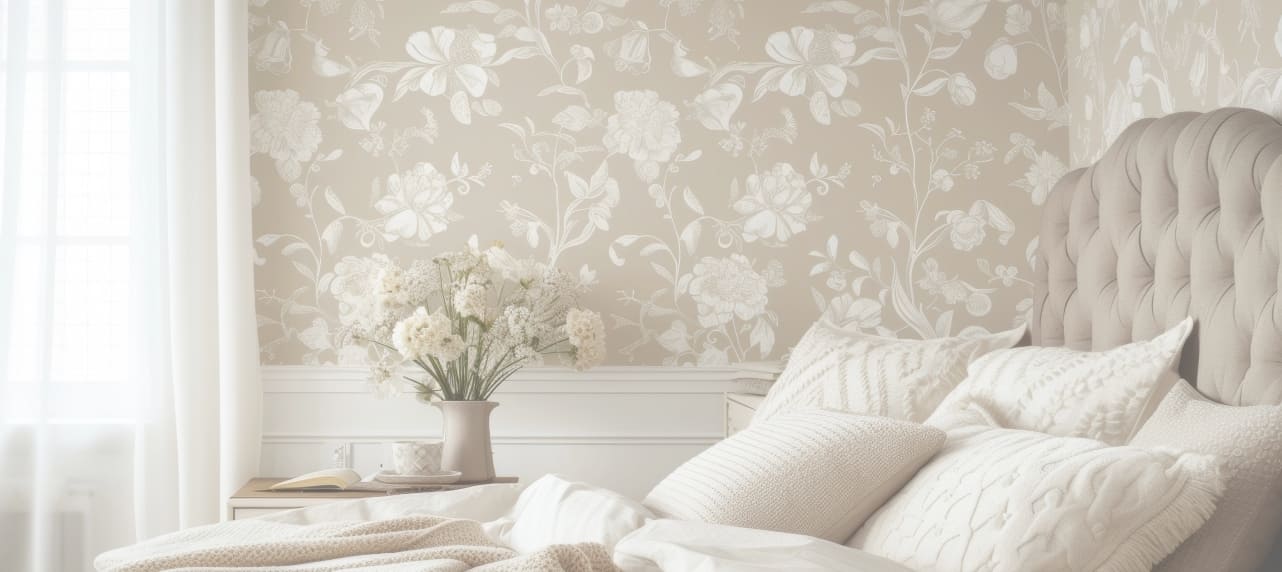
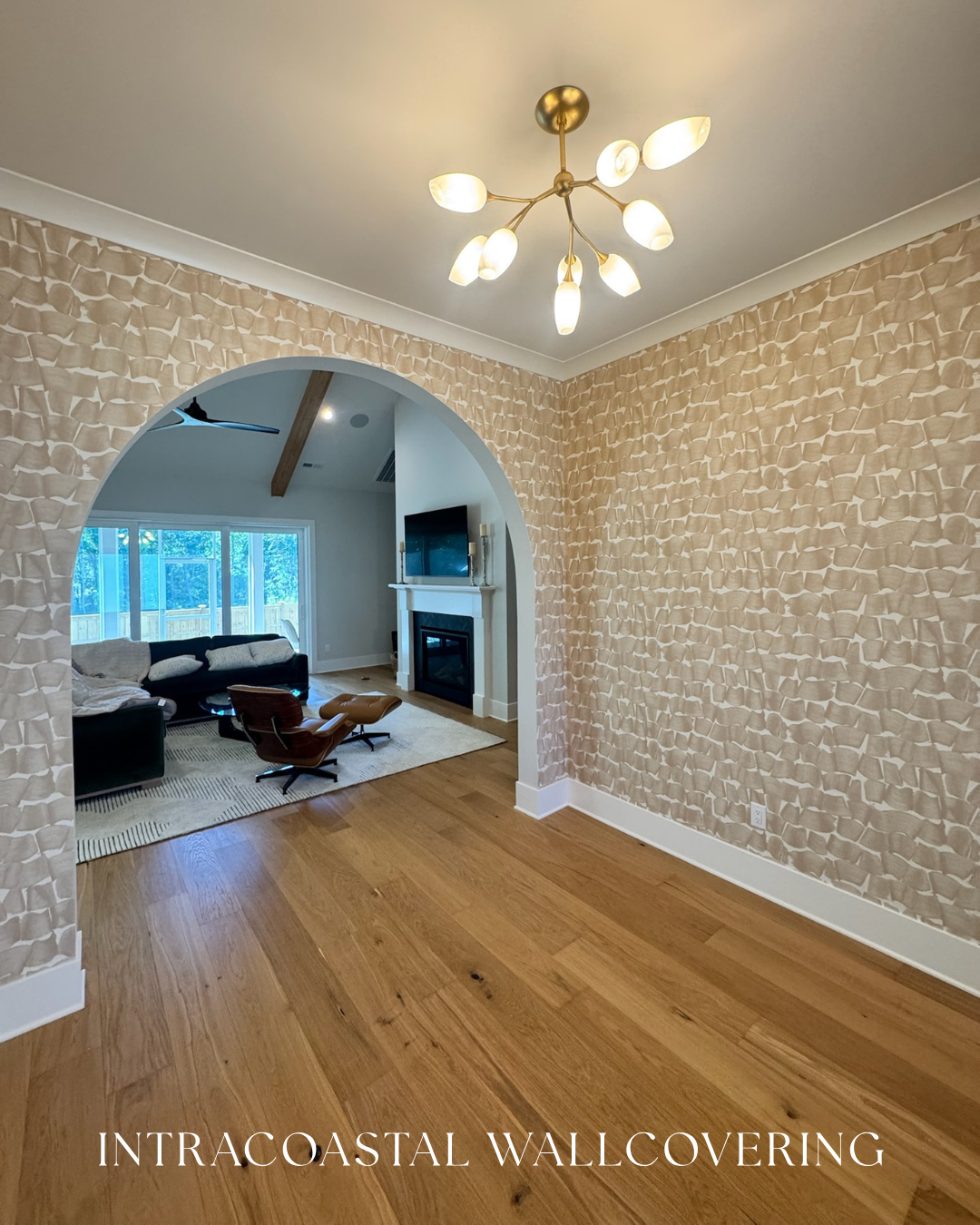
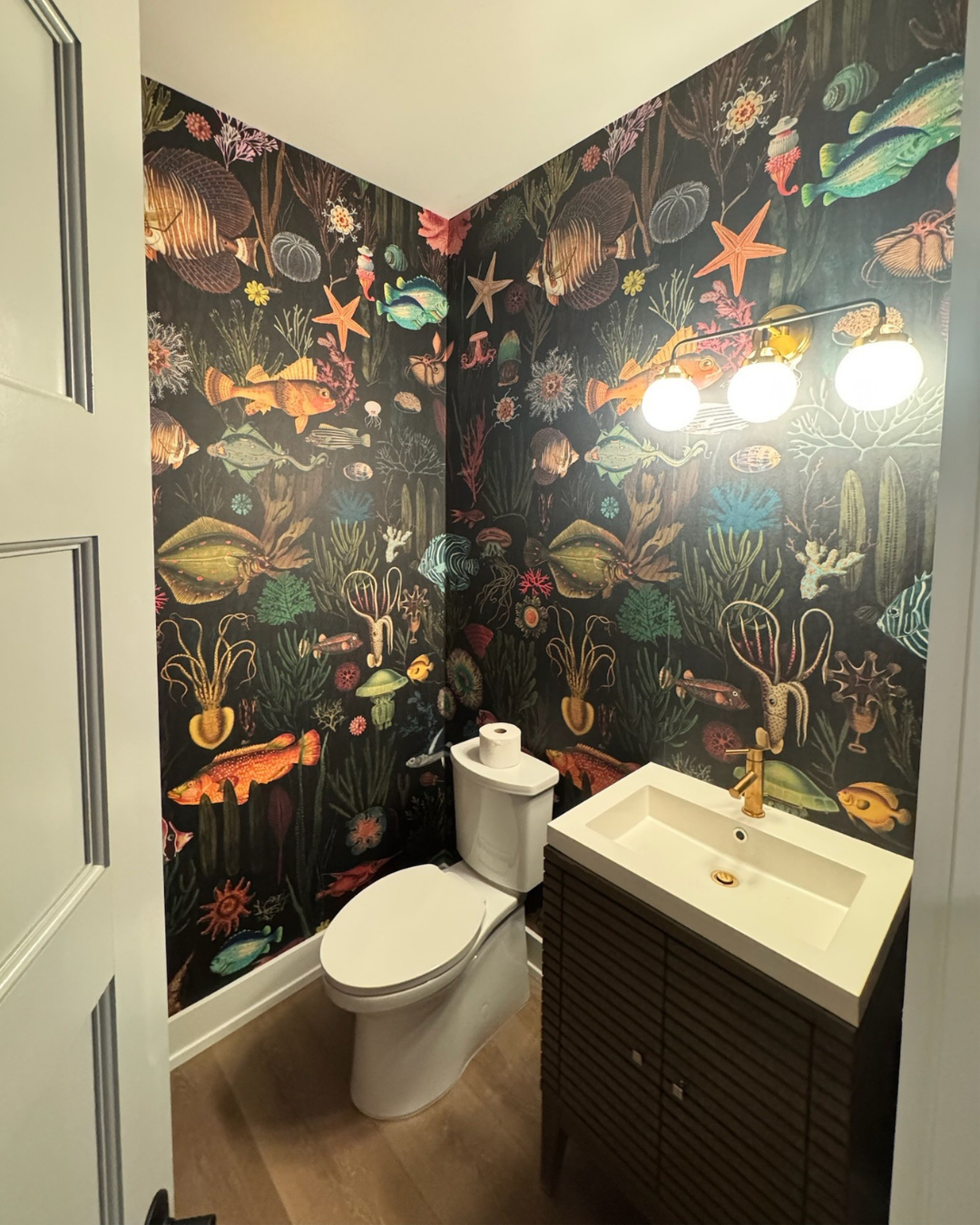
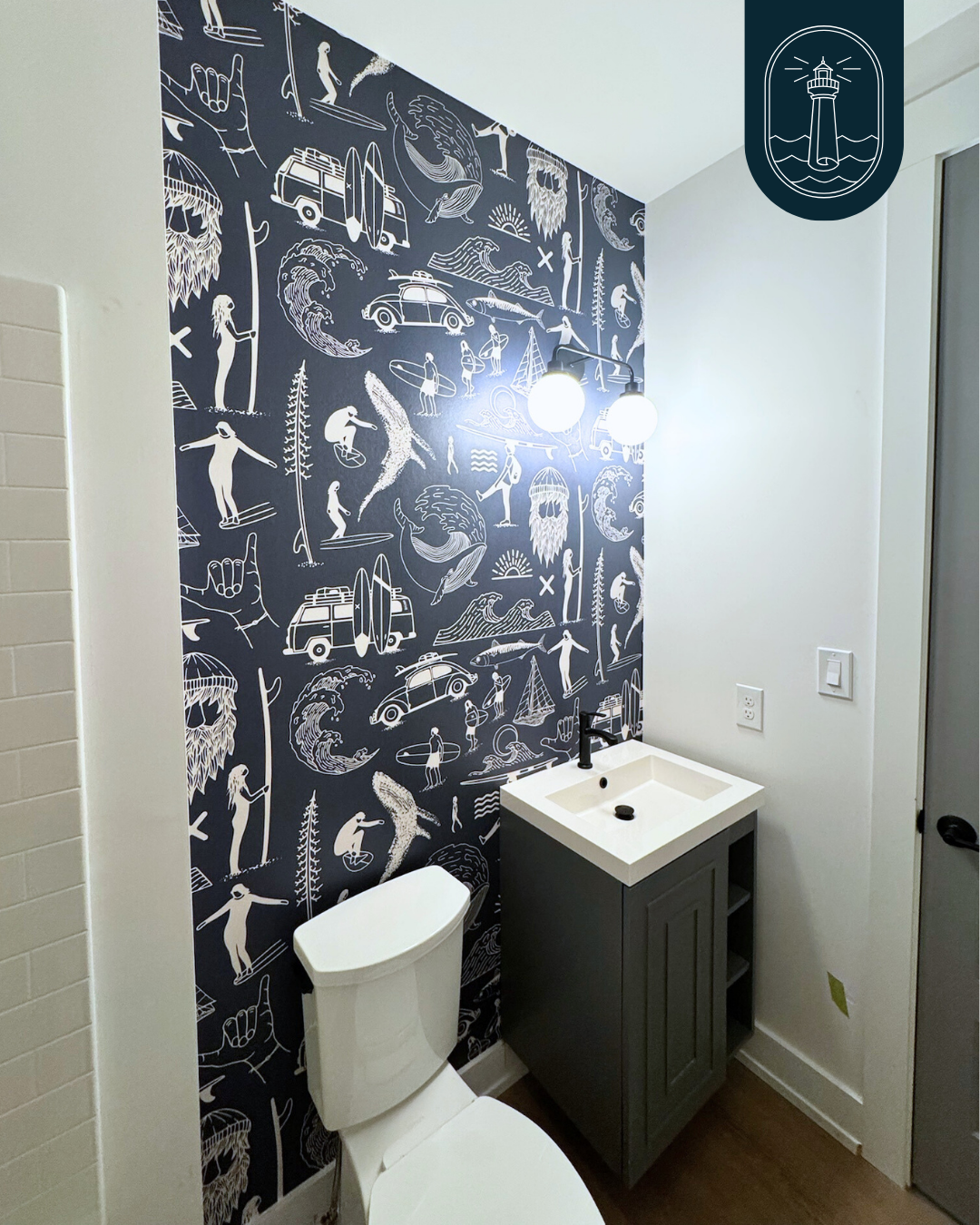
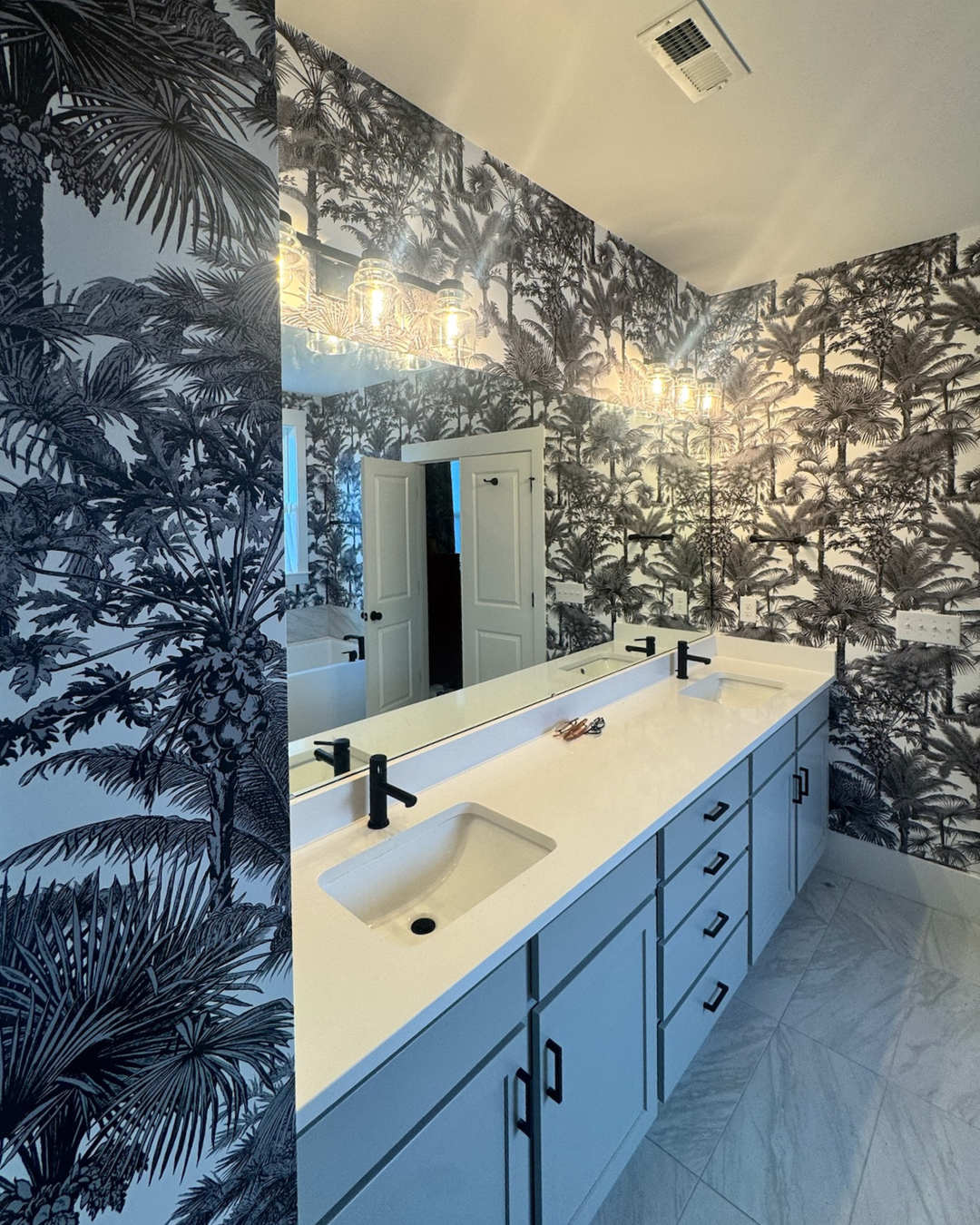
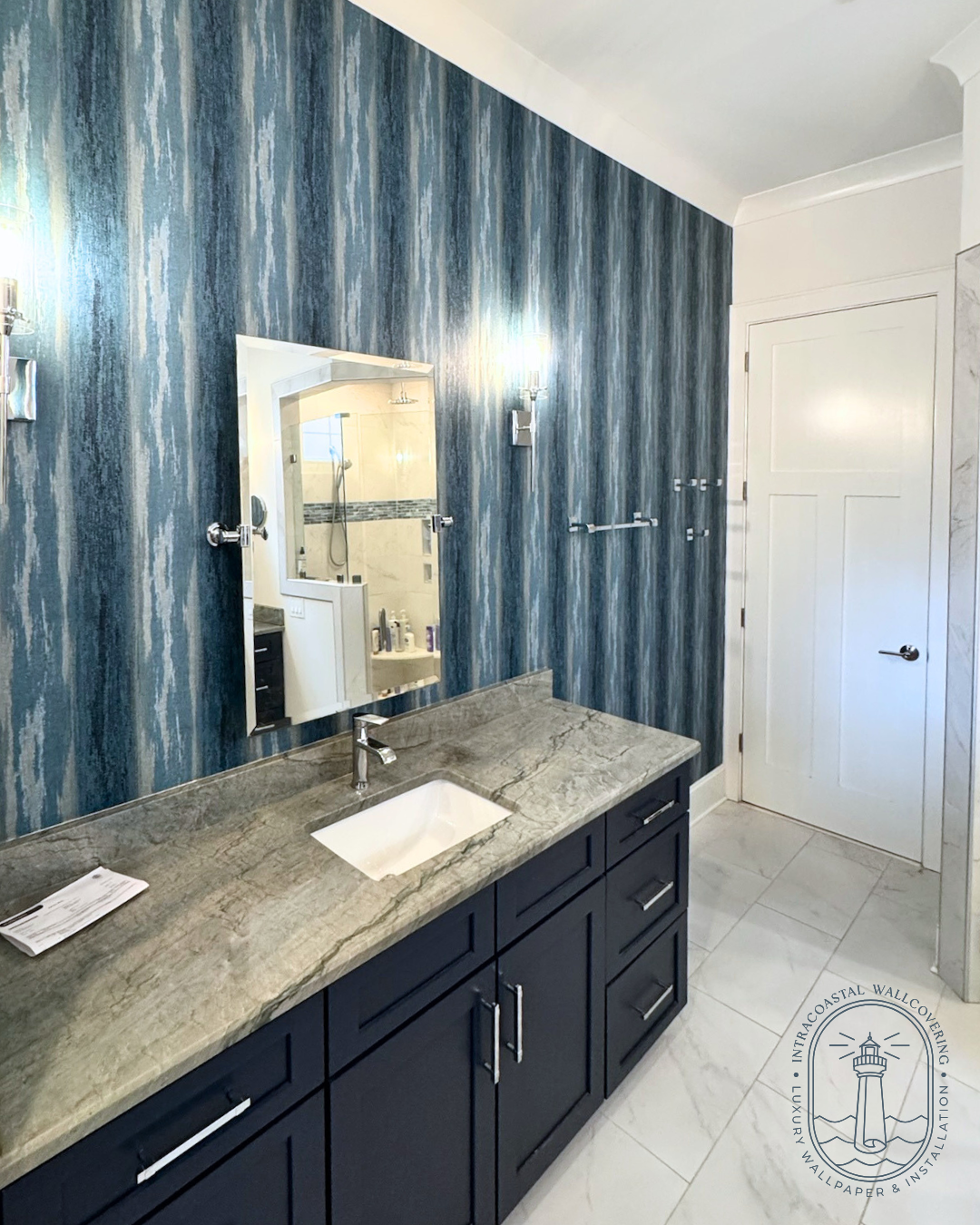
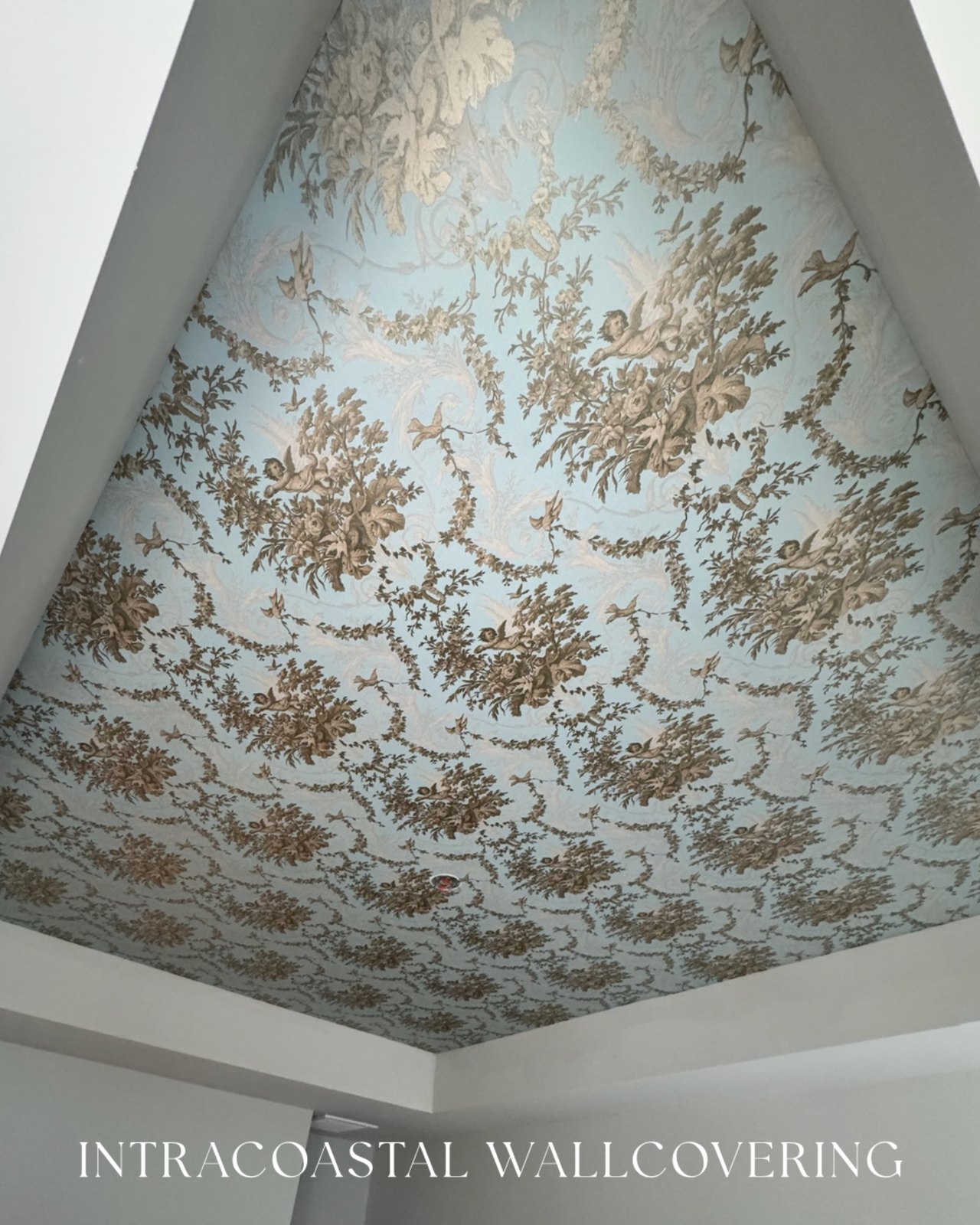
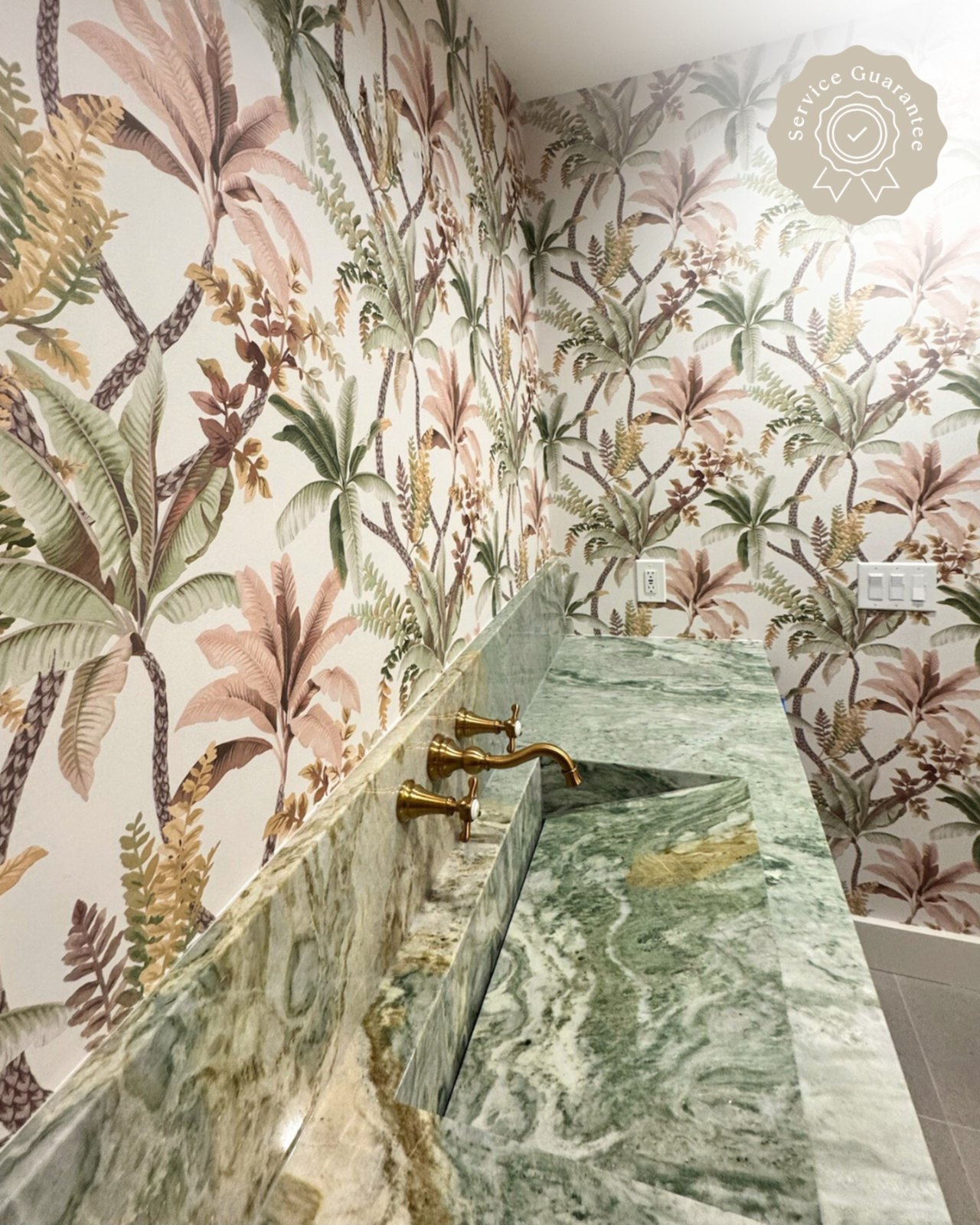
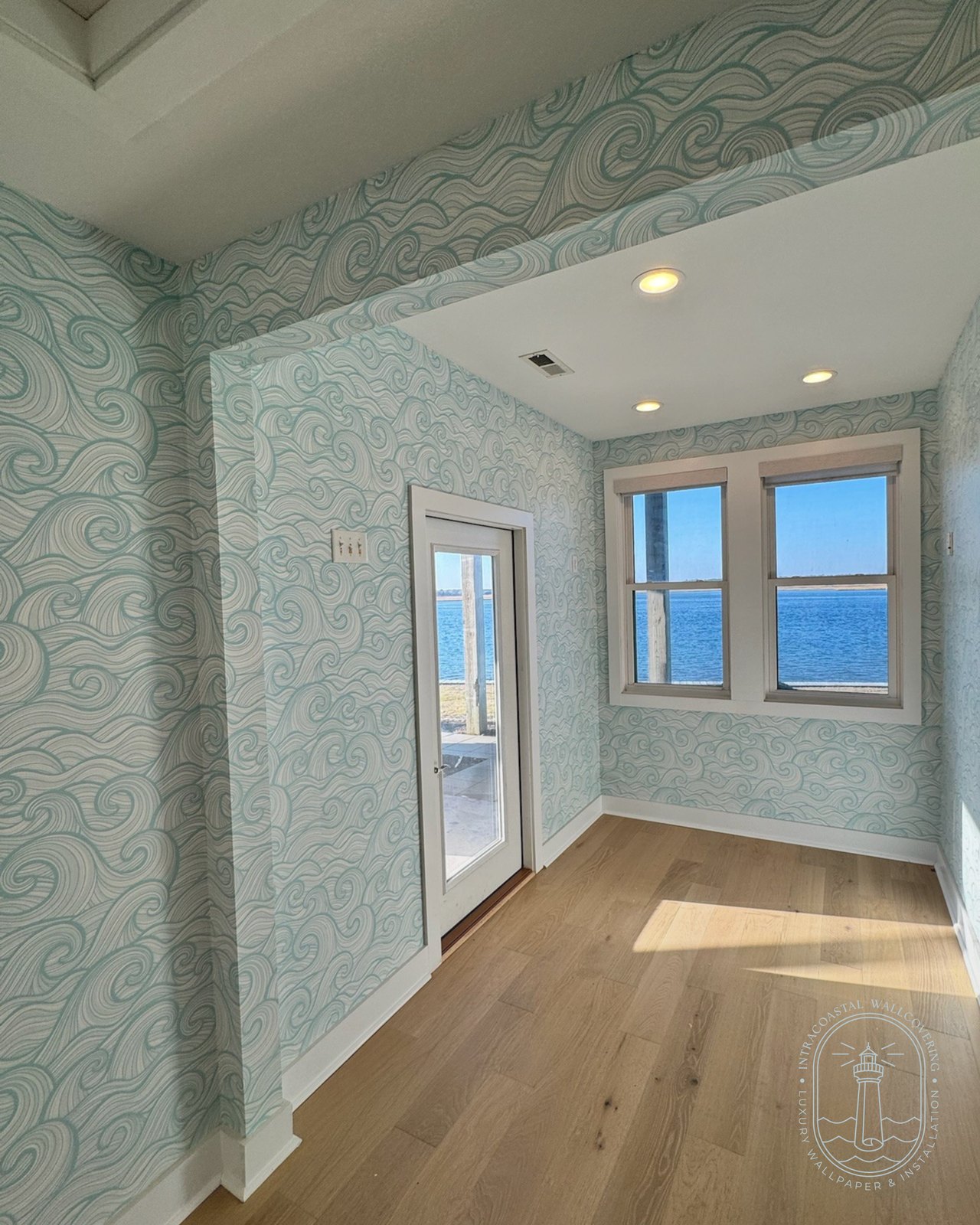
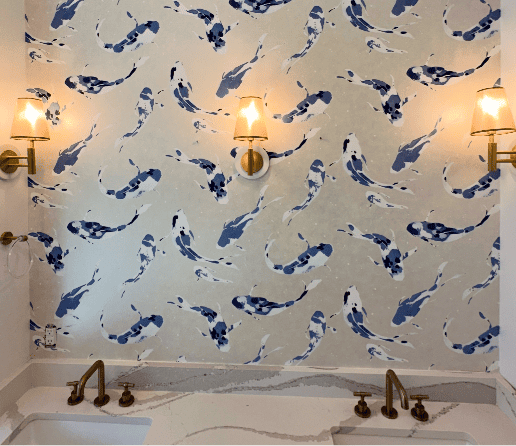
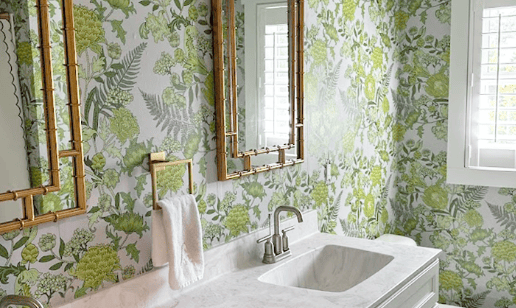
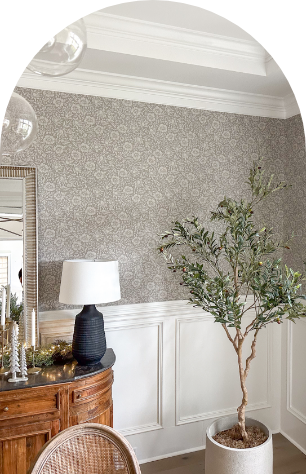
Kure Beach doesn't have one typical house. According to the Census Bureau's 2020-2024 American Community Survey, about 23 percent of its homes were built before 1980, while nearly 42 percent went up in 2000 or later. The median build year, 1996, sits between two quite different housing stocks.
Those two stocks start a wallpaper job in different places. In an older house, part of the day may go to stripping an earlier owner's paper and repairing the wall underneath, since new paper is only as sound as what's beneath it. In a house built in the last twenty-five years, there's usually nothing to strip, but bare or builder-painted drywall needs sealing first, so the paper grips now and comes away cleanly when you redecorate. Telling us the build year up front helps us plan the right prep.
Almost three-quarters of Kure Beach homes are detached houses. A 2006 state law holds new buildings in town to 35 feet, and only about 2 percent of homes are in buildings of ten or more units, so most jobs here won't involve a condo board or building manager. Nearly 40 percent of homes are held as seasonal or second homes, so let us know if the house will be empty on install day.
The town is about 15 miles south of Wilmington, on Pleasure Island, between Carolina Beach and Fort Fisher.
Whatever the house, the hanging is the same craft. Our W-2 installers work from a true vertical, match each seam to the pattern and split strips at inside corners instead of wrapping them. Most customers arrive with paper already chosen, theirs or a designer's. If you haven't bought yet, we help with quantity. Our wallpaper installation page has the full method.
Quantity worked out from the pattern repeat before you order
The wall checked and prepared for paper
Any existing wallpaper taken down and the wall repaired
A plumb reference for the first strip
Pattern matched at every seam and kept level around the room
Corners cut by hand on a straight edge
Cleanup and a final look at the room together
In a pre-1980 home, expect removal and repair to take part of the day, and walls that are less square than a new build's. In a newer home, the prep is mainly sealing the drywall, and the room often comes out square and simple to hang. Some homes may be mixed: a 1970s house with a newer addition may need both approaches in one visit. The build-year question on the form is there so the estimate starts from the right assumption. If an older house has paneling or textured plaster rather than smooth drywall, mention it; those surfaces may need a liner or a skim coat before paper, and we'll tell you before booking.
A 1970s wall and a 2015 wall need different first steps. We ask the build year before quoting, so the estimate covers stripping or sealing, whichever your house needs.
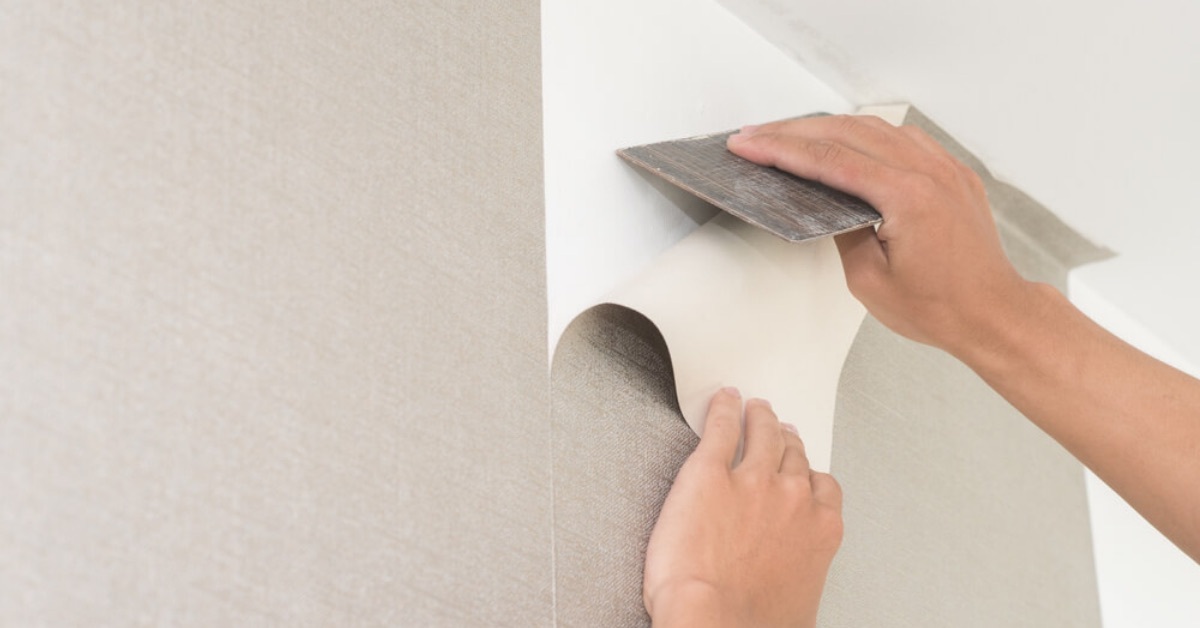
Every installer is a W-2 employee covered by our $2M general liability and workers' comp. Nobody from a subcontractor list ever shows up at your door.
We're members of the Wallpaper Installers Association, and our inside corners are cut by hand, never wrapped, so a patterned room still looks level by the last wall.
Nearly 40 percent of homes here are seasonal. If you won't be in town, a neighbor, property manager or lockbox can let the crew in, and photos follow.
From the first conversation to the finished room.
01Request the instant estimate and pick the decade your home was built. Unsure? Choose "not sure" and describe the wall and any old paper instead.
02We confirm you have enough paper for the repeat, then book you in, normally two to three weeks ahead.
03After a heads-up call, the crew either removes old paper and repairs the wall or seals new drywall, then papers the room.
04Look over the seams and corners with the installer before they leave. If you're out of town, ask for photos instead.
Your exact figure comes from the instant estimate; installation is priced on the job, not per hour. In Kure Beach, the age of the house can change the prep, and the prep affects the price:
Prep: stripping and repairing an older wall, or sealing new drywall
Wall area and ceiling height
The paper itself, since grasscloth, vinyl and unpasted papers each hang differently
Pattern repeat and the waste it creates
Cutouts around windows, vanities and fixtures
Removal and repair are handled as part of the installation, not as a separate project you have to arrange. An older wall with paper on it usually takes longer than a new one, which is why we ask the build year. Once given, the quote stands as written. Paper you bought elsewhere isn't included in it, and military households get 10% off.
Repaint the rest of the house with the same company.
Haven't chosen yet? Preview designer patterns on a photo of your room.
From our Wilmington base, we serve Kure Beach and the surrounding New Hanover County area, plus the rest of the coastal Carolinas corridor.
Tell us the room and roughly when the house was built.